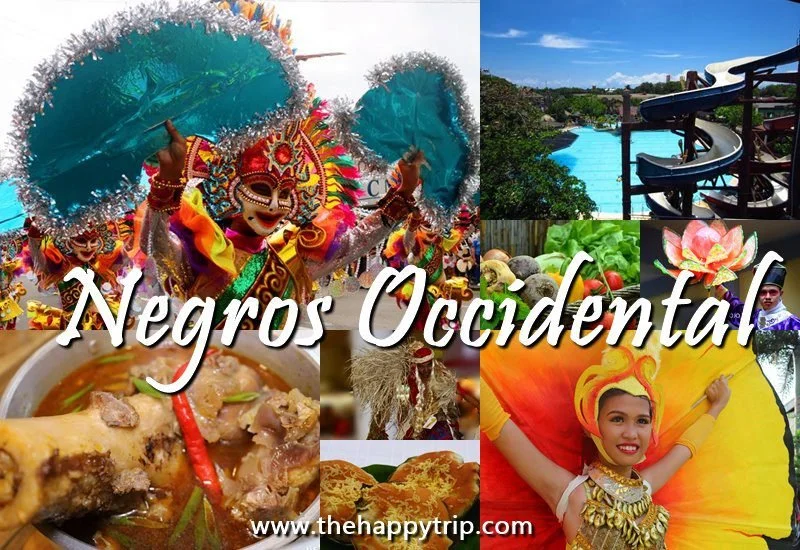
Collage of images depicting Mexican culture, including a traditional dance with dancers in colorful costumes and masks, water slides at a water park, traditional food, and a woman in a vibrant dress. Text overlay reads "Negros Occidental" and website "www.thehappytrip.com."

Who we are

Bacolod is known as the "City of Smiles," famous for its MassKara Festival and local food like chicken inasal, piaya, and napoleones. It's the capital of Negros Occidental, historically linked to the sugar industry, and is recognized for its warm, hospitable people and relaxed lifestyle. Other attractions include the San Sebastian Cathedral, Campuestohan Mountain Resort, and the well-landscaped Bacolod City Government Center.
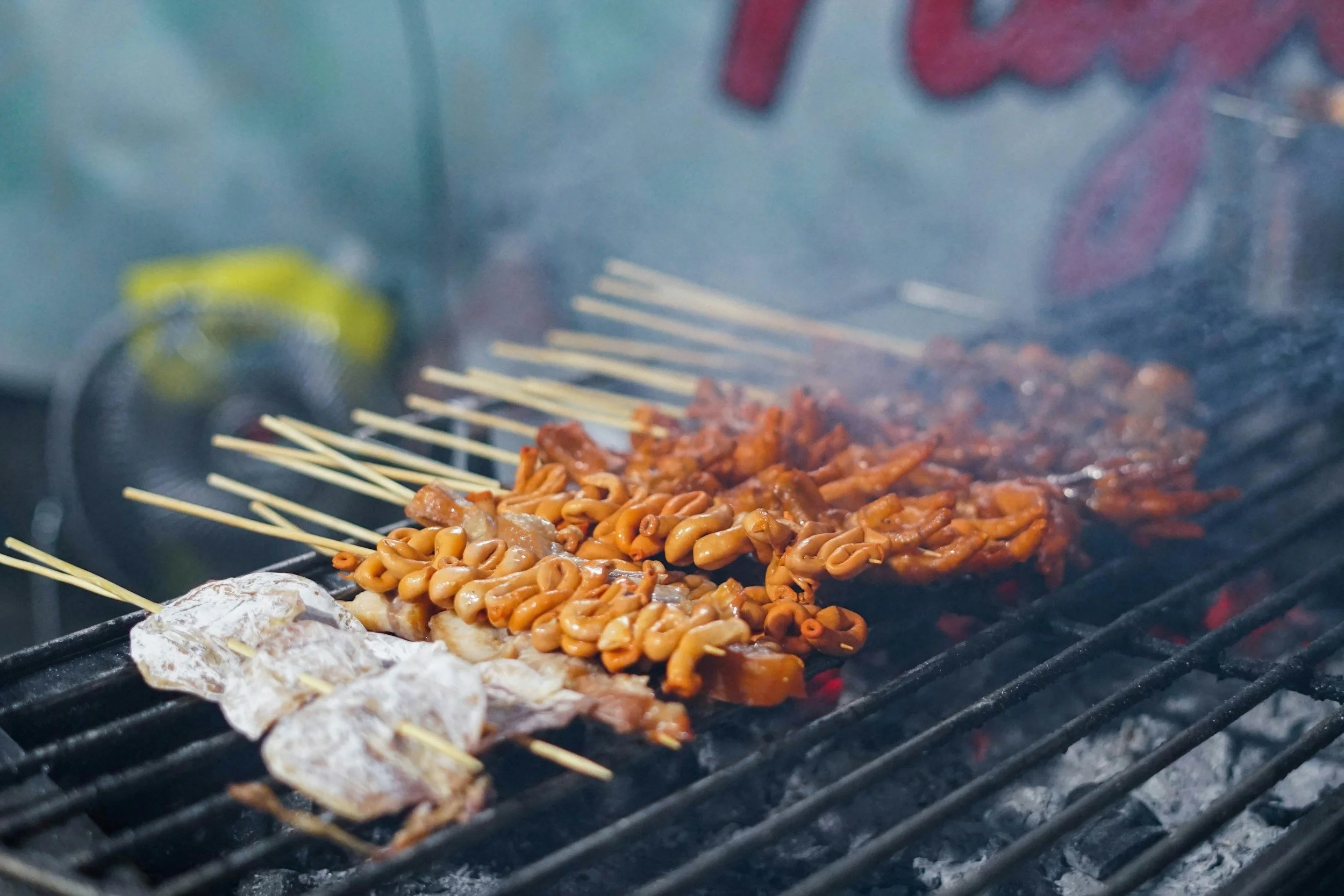
Skewers with raw meat on a grill, cooking over hot coals with smoke rising.
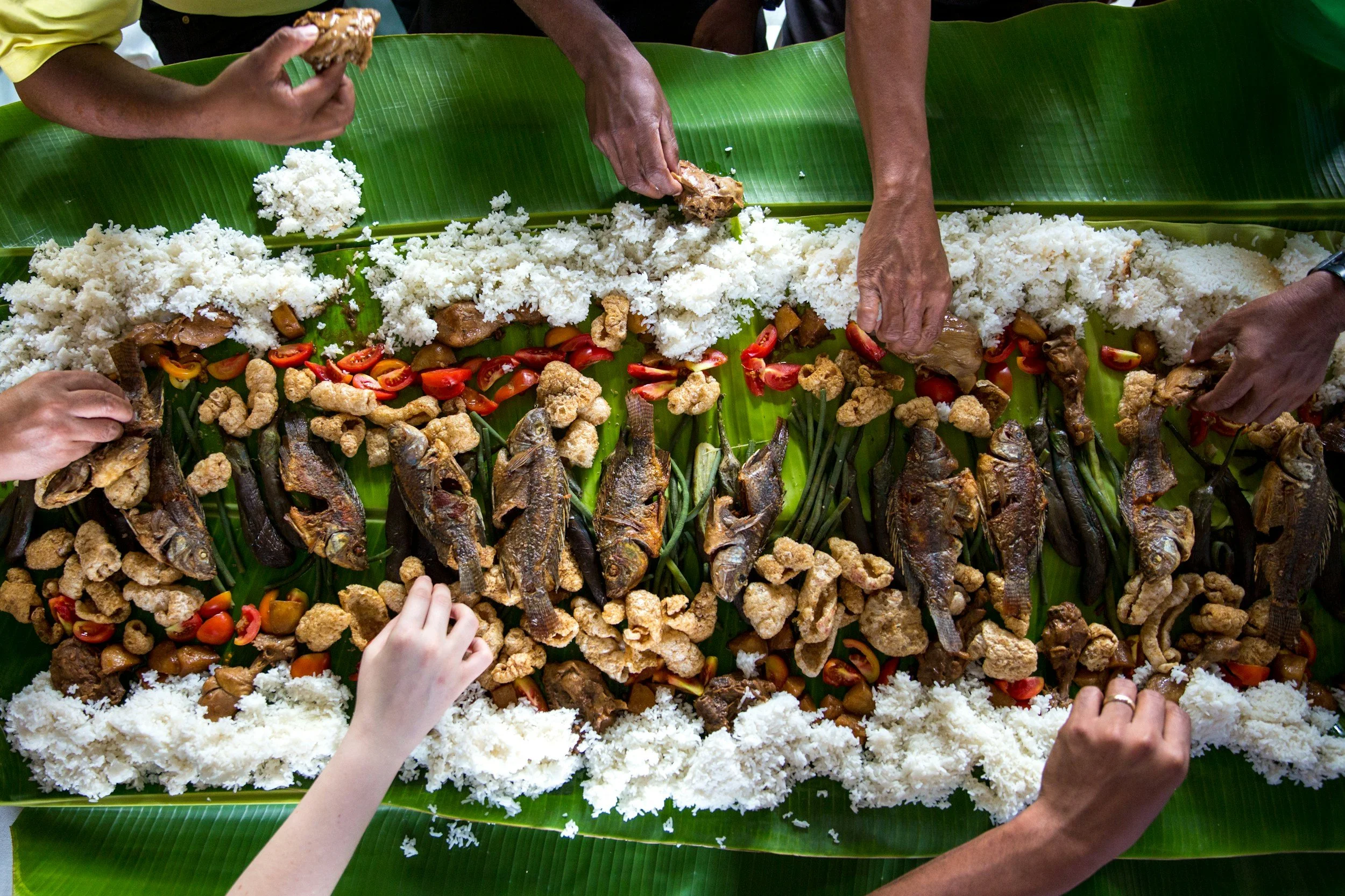
People preparing a traditional dish with fish, rice, and vegetables on a large green banana leaf.
Philippine and American flags crossed on a wooden surface with a green blurred background.
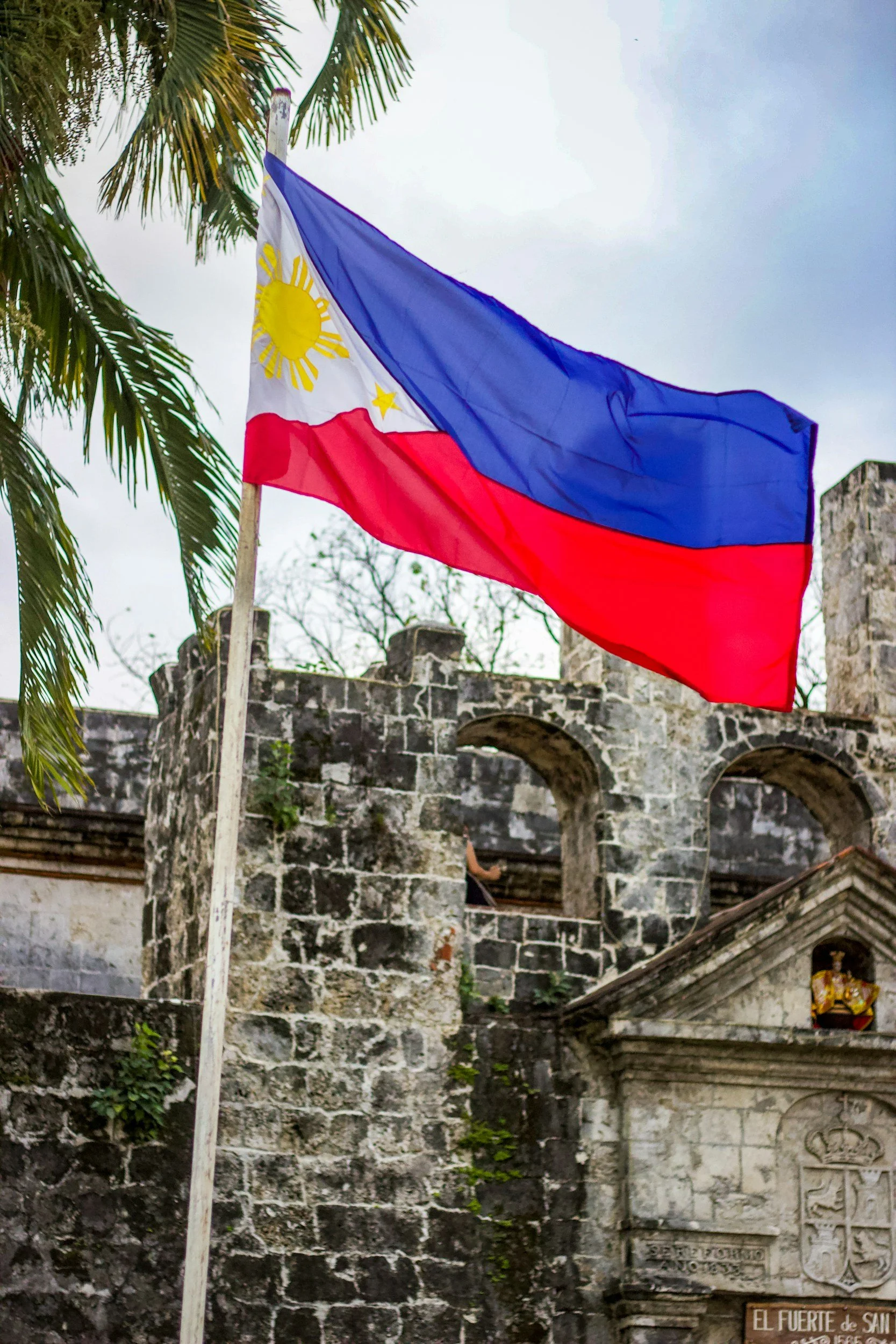
Philippine flag flying in front of an old stone castle with a palm tree nearby.
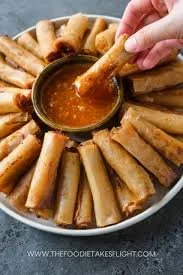
Spring rolls arranged in a circle with a dipping sauce in the center
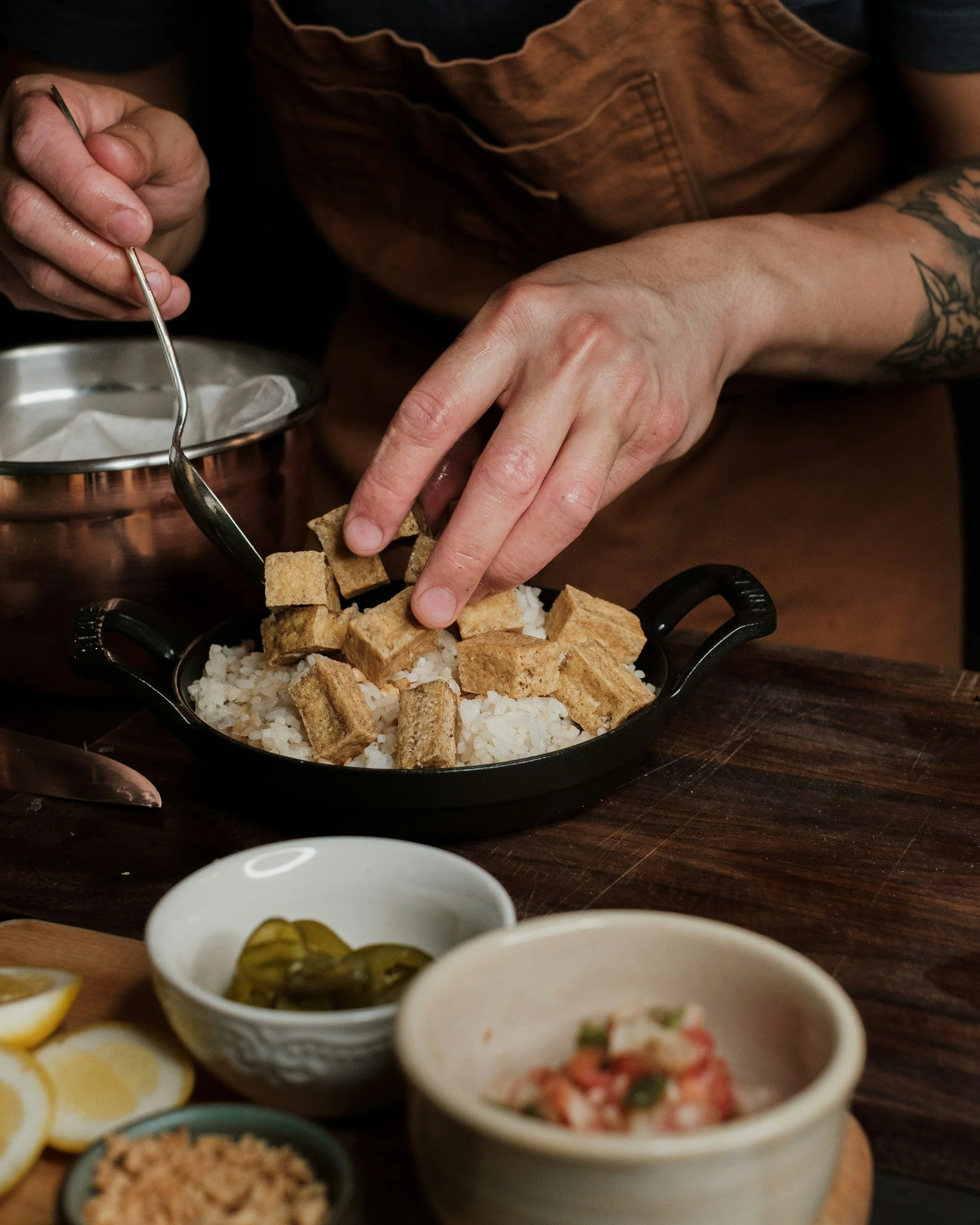
Person arranging fried tofu cubes on rice in a black skillet.
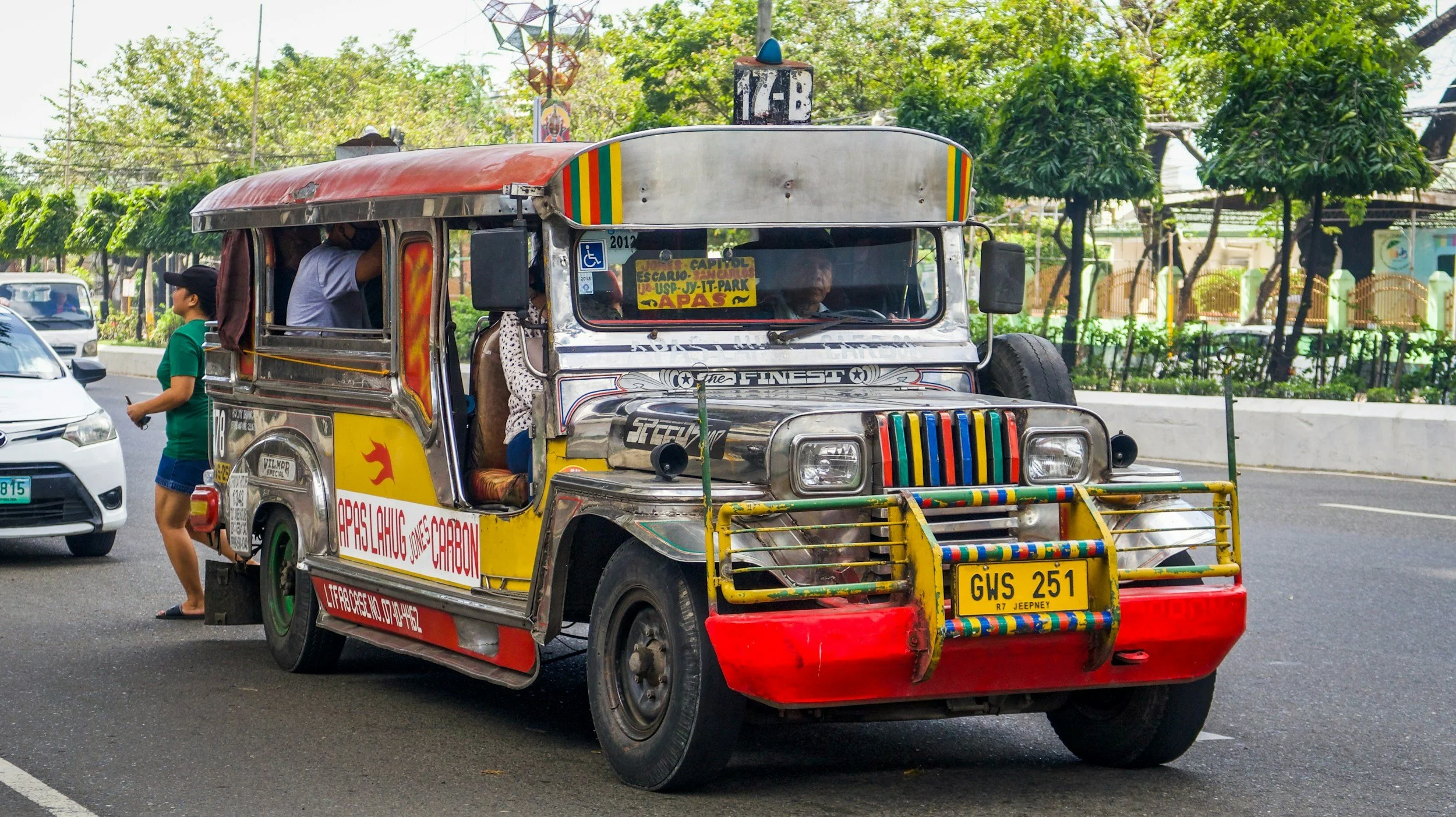
Colorful jeepney vehicle on a city street with people and cars around, trees in the background.
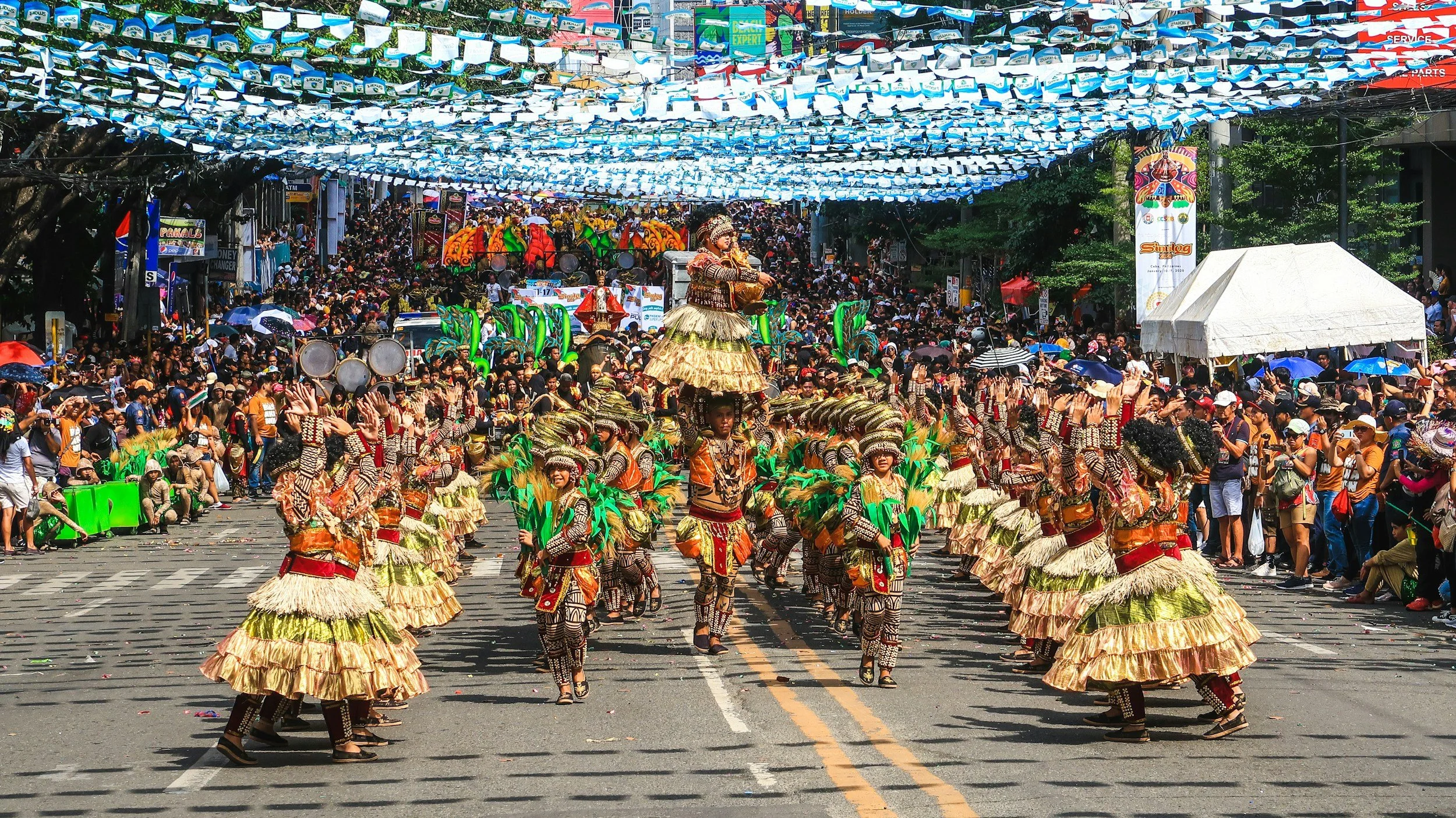
A street parade featuring performers in colorful traditional costumes, some wearing large hats and others with elaborate skirts, dancing in the middle of a busy street filled with spectators under a canopy of hanging decorations.

Lumpia originated from Chinese spring rolls introduced to the Philippines by Hokkien immigrants between the 10th and 13th centuries. It was adapted to local tastes and ingredients, becoming a staple in Filipino cuisine through various versions like the meat-filled Lumpiang Shanghai and the fresh, ubod-filled varieties. The name "lumpia" itself comes from the Hokkien words "lun" (wet/moist) and "pia" (cake/pastry).